By: Tessa
Like the cycles of nature and seasons, our bodies exist in rhythms and cycles. These daily, monthly and yearly rhythms are often indicators for our overall energetic and physical health. The menstrual cycle is like that: a vital sign that can be helpful for identifying underlying imbalances for the whole body.
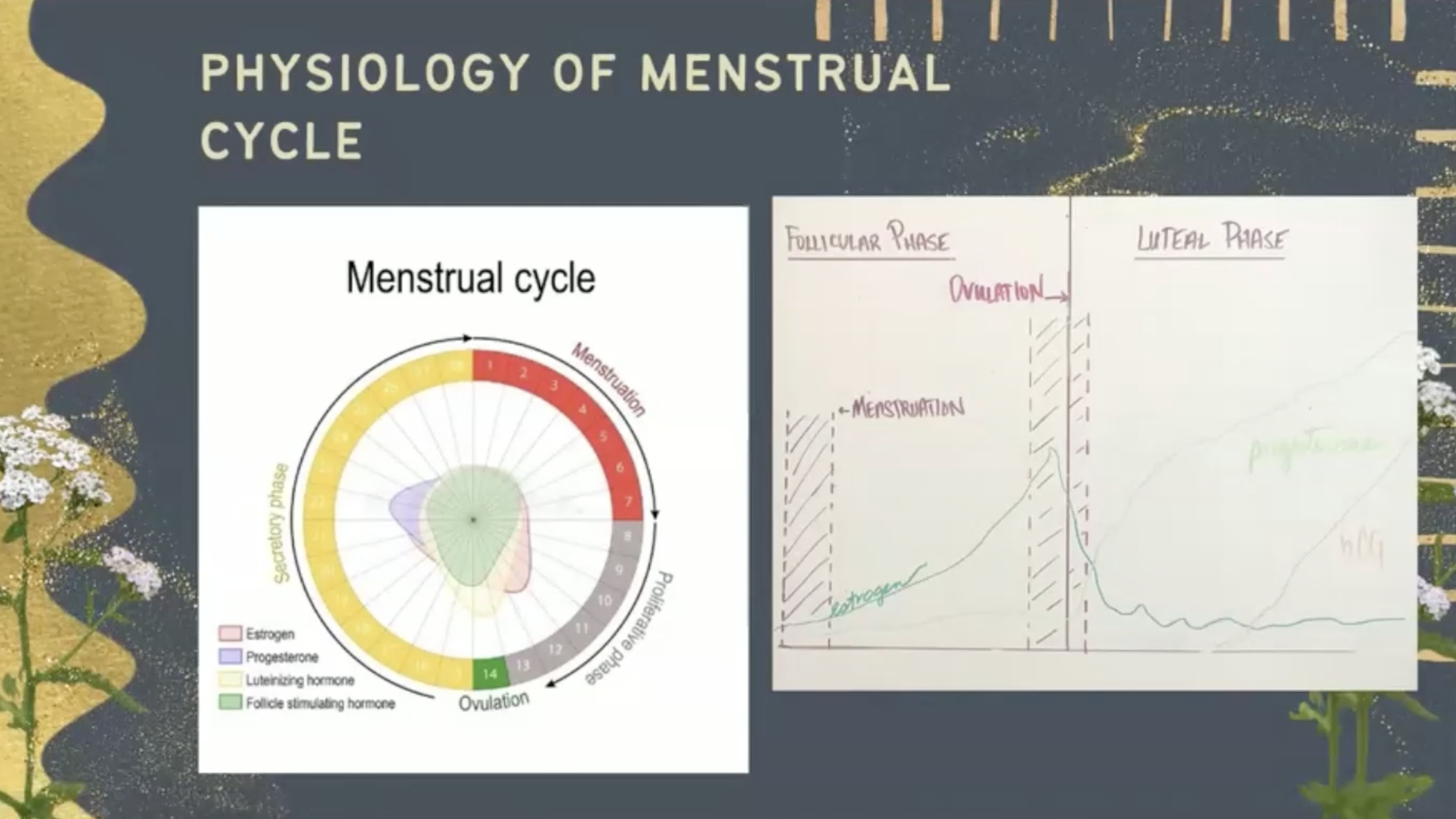
Over the course of a cycle of the moon, more or less, bodies that bleed experience endometrial shedding, follicle development, ovulation, secretory and endometrial growth and then circle back to endometrial shedding; a spiral passage of time just like lunar and seasonal patterns. Each part of the menstrual cycle has its own energetics that are interrelated with the energetics of the whole body.
Menstruation begins with the first day of bleeding (Day 1), and lasts for 3.5 - 8 days on average. Volume of menstrual fluid lost per cycle is 30- 80 ml (6-16 teaspoons). Menstruation is typically a downward moving, cool, contractile, releasing experience, and be depleting or add to depletion.
While the body is shedding its uterine lining, follicles in the ovaries are starting to develop and grow, under the influence of the hormones FSH (follicle stimulating hormone) and LH (luteinizing hormone), as the building hormone estrogen also increases. This continues until estrogen reaches its peak, and LH promotes ovulation, anywhere from days 12-17, typically. The follicular phase is a building, proliferative time, when energy is rising, and ovulation is a time of high energy, increased blood and moisture.
Then begins the luteal phase of the cycle, the time from ovulation until bleeding begins again, or pregnancy takes hold. This phase is the most temporally stable phase, lasting a relatively fixed period of time (from 13-16 days, with little variation inside a single body). The early luteal phase is under the influence of increasing progesterone - a warming hormone. This phase is warm, juicy, softening and building. If a pregnancy does not implant into the uterine wall during this time, then progesterone and estrogen begin to decline. The late luteal phase is one of cooling down, less nourishment, tension, with an ebbing and releasing energetic. Until the reduction of these hormones triggers the body to shed its endometrial lining and begin bleeding, starting the cycle again.
The energetics of these phases have enormous impacts on the ways a body feels, and can exaggerate places of imbalance in the body. A body that tends towards coldness and stagnation, might feel more moody and cold in the late luteal phase. A body that is very tense and deficient might experience lots of pain during menstruation. Working with the energetics of an individual body, while considering the energetics of each phase of menstruation can be the key to shifting and balancing menstrual cycle symptoms.
Where to Begin
First and always, menstrual cycle support needs include constitutional support and tend to the whole person/whole context.
Support a body’s rhythm and regularity through their other physiologic rhythms: sleep, meals, exercise, etc.
Nourish, nourish, nourish. Hydrate, hydrate, hydrate.
Support the liver to clear hormones. Eat more greens! Take digestive bitters!
Modulate stress + tend to the nervous system.
Herbal Support For Regular Cycles
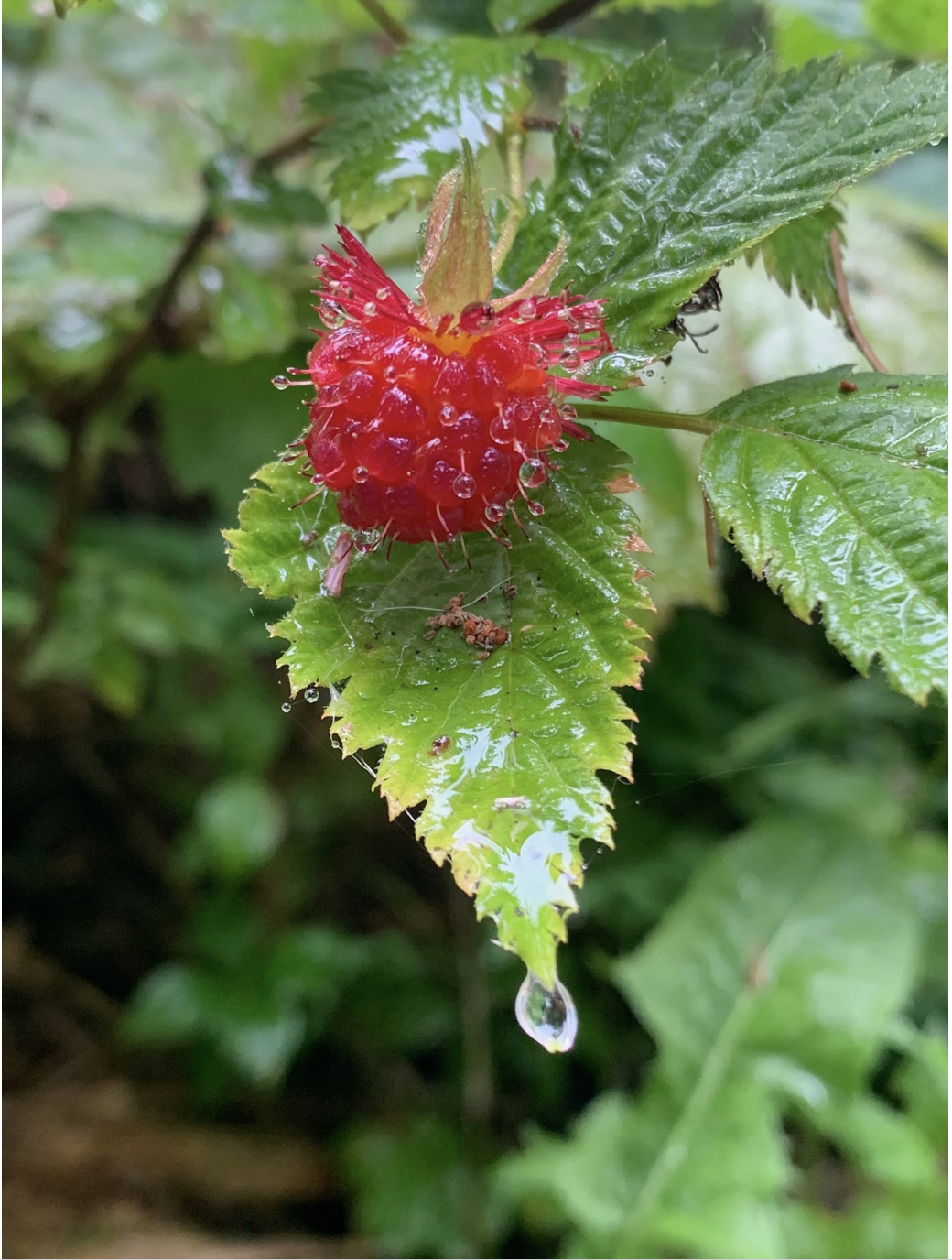
Nutritive herbs like nettles and alfalfa support deep nourishment and overall balance. Uterine tonics like red raspberry leaf support the capacity for the uterus to relax and contract in balance. Nervines like motherwort and chamomile support the nervous system during the late luteal phase, and gentle support liver detoxification making the symptoms of decreasing progesterone less dramatic on the body. Antispasmodics like cramp bark and angelica reduce the hyperspastic contraction of menstrual cramps.
Noticing the phases, feelings and symptoms of each phase of the cycle as it impacts the body is a good place to start supporting a body that bleeds. Working with a skilled herbalist can help to identify and refine the energetic patterns of an individual body. And in the mean time, here are some blends that I like:
Nutritive tea of nettles, oatstraw, red raspberry leaf, red clover, alfalfa + a nervine like chamomile.
Add flax seeds for moisture.
Add 3 teaspoons to a quart of water and steep for 20 minutes. Drink 1 quart daily.
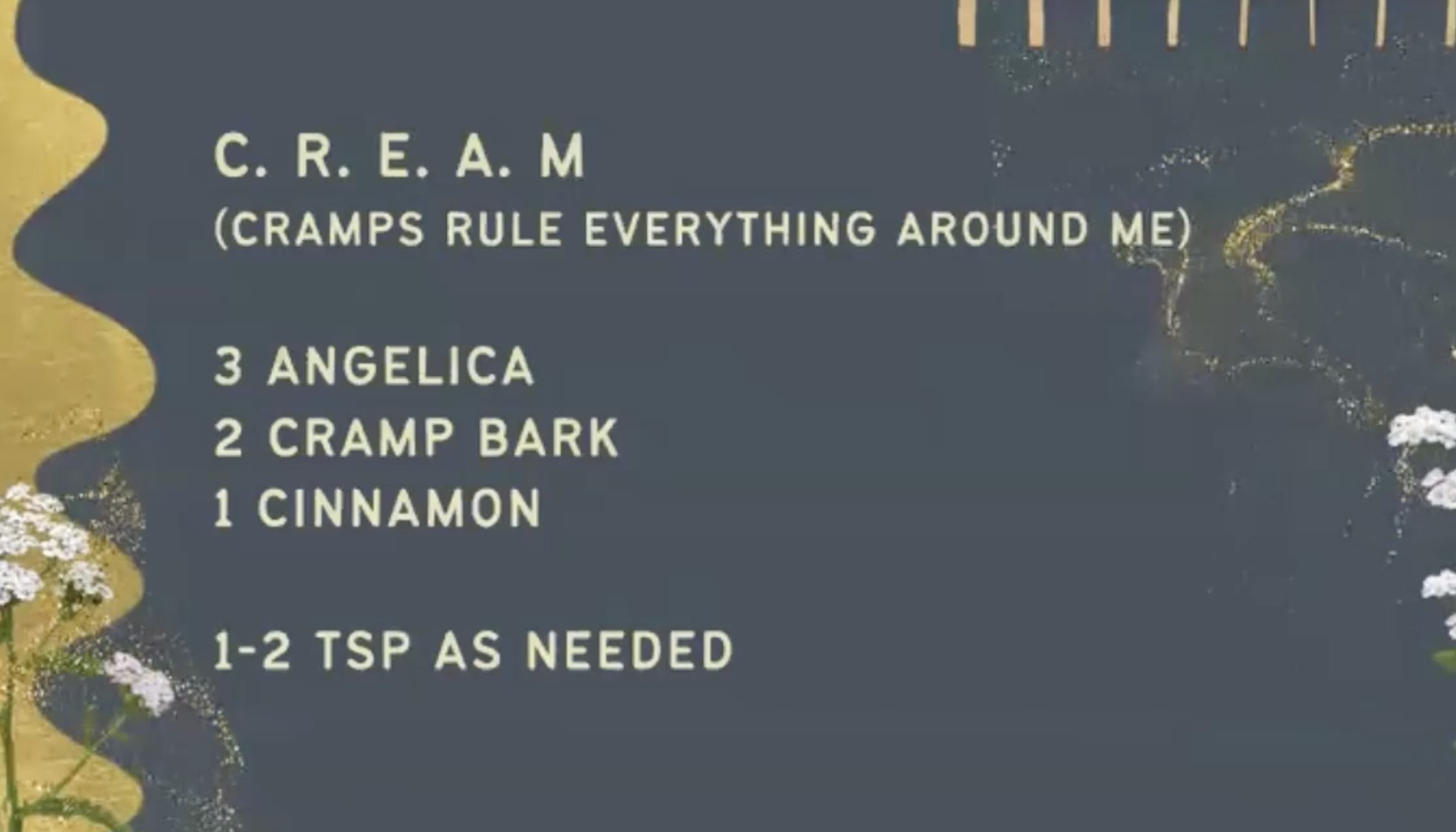
C.R.E.A.M. (cramps rule everything around me) tincture:
3 parts Angelica tincture
2 parts Cramp bark tincture
1 part Cinnamon tincture
Take 1-2 tsp as needed for cramping and pain.
About the author: Tessa (she/they) is a midwife, herbalist, poet, and care worker. Tessa's work is based on the belief that all people should have access to personalized, comprehensive, holistic, and dignified care for the full spectrum of reproductive and generative experiences. They support clients along this spectrum: from becoming pregnant with at-home IUI, to pregnancy loss and release, to prenatal and postpartum care, out-of-hospital birth, and clinical herbal care focused on reproductive, menstrual, and hormonal concerns. Follow Tessa’s work at https://thresholdmidwives.com/
Want to learn more?
Check out Tessa’s pre-recorded class, available anytime for self-paced learning.
Review pattern assessment and supportive strategies for generative/reproductive health including an in-depth review of menstrual cycle physiology, common symptoms, patterns, and experiences of a menstrual rhythm and investigate how to track changes and support balance. We look at herbs and supportive strategies for individualized generative, reproductive, and energetic care.
